Tips for startups: how to deal with the lack of a technical lead
June 19, 2024
Recently, I spoke with the founders of a promising new startup.
As I usually do before such conversations, I checked their website to explore their idea and how they present themselves to the market.
Something felt off.
The website looked great but disorganized. Some of the links were broken, and sometimes you would click on something only to reach a dead end.
After trying the product my impressions where confirmed: the startup lacked a technical lead and was struggling with their relationship with their development agency.
So, many promising projects with founders that understand the market and the need still fail due to their lack of skills in communicating with the development agency and evaluating their quality from the beginning.
Sometimes, great ideas can't start at all due to a lack of developers. Regardless of initial capital, IT development is usually the biggest expense for any startup.
Ideally, a relationship with a development agency should be win-win: a successful idea requires constant evolution, providing a growing income source for the technical partner Unfortunately, short-term gains are often prioritized, leaving the startup with overpriced, break-prone software.
So, are startups without a technical lead destined to fail? I don’t think so. While there's no one-size-fits-all solution, there are many factors to consider. Let's explore them together.
#0 Keep Your Initial Audience in Mind
In the early stages, a startup's lifeblood is the innovators.
They are the users who share the same passion as you for what you are building. They are willing to overlook the lack of features or bugs that some other users would find unacceptable.
This is often true, but their better-than-average tech literacy means they will notice your inability to act on their feedback, and you risk wasting valuable feedback on things that should be taken for granted.
You want feedback on your value proposition, not on broken links or login issues.
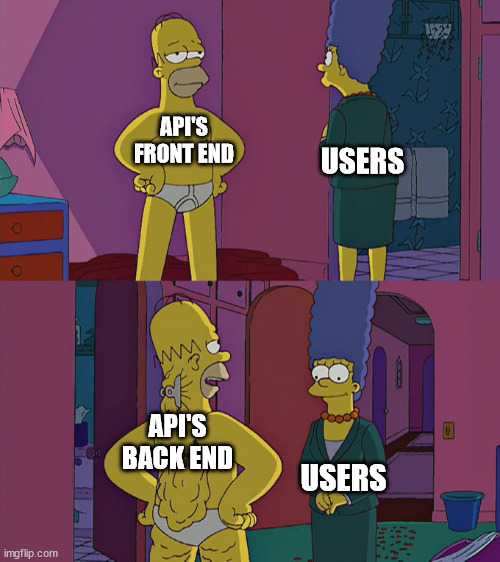
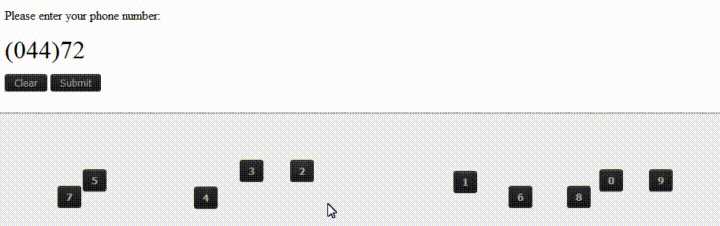
It’s ok to hide some of the shortcuts to the users. We need to please them, not the engineers. Still, sometimes shortcuts please mainly the developers.
#1 Start small. Smaller.
Many ambitious founders can’t wait to see their product come to life and start making the world a better place. I know the feeling: thinking big is what brought you here in the first place. Take some of that energy and use it to rethink what can be a POC for your idea.
Think about it: at this stage, it’s way more important to collect feedback to steer in the right direction and get the market validation we all need.
Is a full-featured product the best way to do so? Probably not.
Think of Midjourney. The famous tool to generate AI images uses Discord to provide the services to end users. Creating a chatbot on top of another product was for sure the quickest way to test their product. But we can do even better than this.
Some years ago, an Italian startup attracted the attention of investors with a simple Facebook group. The idea was simple: they created a Facebook group to connect two sides of a marketplace they wanted to develop. They charged money to join the group. It’s bold, probably against Meta’s terms and conditions, and very fragile.
Still, they proved the market, and while doing so, they already built a solid community. There’s no better and cheaper way than this.
The ways you can rethink the initial steps of your startup are infinite. It will not be the final form, but you will be focused on collecting valuable feedback instead of wasting time keeping afloat a buggy, half-baked platform.
#2 Ensure Clear Communication
You may have found someone to develop your product, but are you sure you can communicate with them?
There’s no technical concept that cannot be translated into simpler terms. If a developer can't explain obstacles clearly, they might not be good at their job or even scamming you.
Technical terminology can be used to scare founders and let developers take the shortcuts they want. Shortcuts are expected, but if they can’t be understood by the founders, the developers are using them as a means of reducing the amount of work they need to do.
Developers willing to work for you in the long term should be the first ones to ensure clear communication. Are they capable of explaining to you, in simple terms, the concepts needed to make the best decisions?
This needs to be true both ways: do they know what a POC or MVP is? Do they understand the challenges of evolving such concepts into a long term plan? Are they used to speaking with startups, or do they usually work for enterprises? Have they never scaled a startup before?
#3 Share your idea
Share your idea to get new perspectives and don’t be afraid to ask for contributions to it.
The best way to attract the interest of new connections is to share your vision and the challenges you are encountering.
Many people will not be able to contribute directly, but many will give you new insights and connect you with the right people you need.

Having your ideas EXACTLY how you want them is the fastest way to get a result like this.
I love to hear about new startups and try to help with my experience whenever I feel like I can contribute. This is more common than you may think. If you have an interesting challenge to share, people will enjoy giving you their take on it.
#4 Find the community
No matter where your startup is located, there is always a list of incubators, accelerators, and programs you can join in your initial stage.
It can be surprising to realize just how many resources around you are rooting for the success of your startup and are willing to support you in areas where you may lack expertise.
Incubators, accelerators, startup events, and institutions benefit greatly from having a successful startup in their portfolio. The only thing to be aware of is that not all events are suitable for every stage of a startup. Find the right fit and don’t be afraid to ask around.
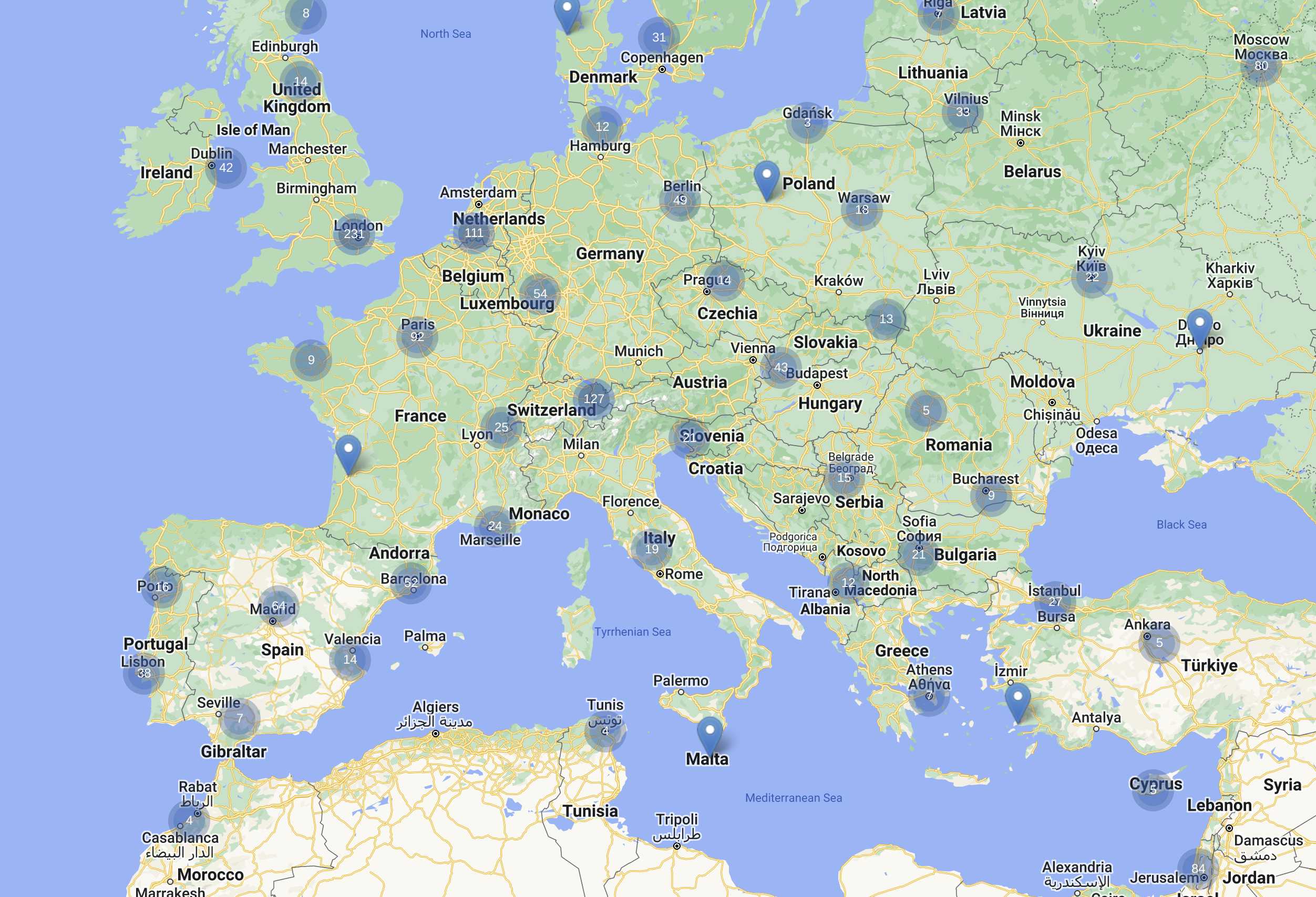
Here’s a list of accelerators all around the world. I’m sure the number of startup communities is way higher.
#5 Compensate differently
AI startups are accepting investments that are paid out with GPUs instead of cash. This means they will accept investments from investors who can provide what they need, and what they need is not money.
Developers are going to be the first investors you will pitch your idea to.
Like any other investment, be sure to tailor your pitch to the right audience and be clear about your needs and how their contribution is vital for the future success of the startup.
Wrapping up
The lack of a technical founder can be bad, but as well an opportunity to connect with people, companies and ecosystem that will make it worth in the longer term. Good luck with your journey :)
As a former cofounder of a startup, I’m realizing the complete lack of awareness about the journey I was in and the things I was learning. After some time, some thoughts are settling in and I would love to share my experience. Hopefully, I would continue to do so in the next articles. In the meanwhile thank you for taking the time to read this and please connect with me if you are interested in the topic.